
There are 1.1 billion girls under the age of 18 worldwide, many of whom face challenges such as child marriage, child poverty, child labour, female genital mutilation and adolescent pregnancies, simply because they’re girls. These unnatural experiences are a violation of their human rights, remove their childhood innocence, and in the worst cases, cause immense pain and sometimes death.
What is female genital mutilation (FGM)?
The female genital mutilation definition (commonly shortened to FGM and sometimes also known as 'cutting') refers to the partial or total removal of the external female genitalia, and other injuries to the female genital organs for non-medical reasons.
This painful procedure, which has no health benefits and is recognised as a human rights violation, can cause life-long consequences, including serious pain and bleeding, discomfort or pain while urinating. It can also cause the victim to suffer a higher risk of infections, complications with both sexual pleasure and childbirth, as well as psychological consequences. In some cases, the procedure can even lead to death.
At least 230 million girls in the world today have gone through female genital mutilation. FGM is commonly practised in 31 countries in Africa, Asia and the Middle East. This is widely practised in Somalia, Guinea and Djibouti, where 90% of girls go through FGM. In the Middle East, FGM is most common in countries like Iraq, Yemen and Indonesia in Asia.
World Vision stands firmly against female genital mutilation and works with communities and partner organisations like UNICEF to end FGM and support the rights of women and girls around the world.
Why FGM happens
The reasons why female genital mutilations happen vary in different areas, and include a mix of sociocultural factors within families and communities. Most often, girls are cut due to the deeply ingrained belief that their value and dignity are tied to their virginity. This harmful practice is perpetuated under the notion that it will make a girl more suitable for marriage and enable her to perform her role as a female member of the family and community.
FGM is often carried out by traditional practitioners using knives, razors, scissors or even broken glass. Medical professionals also perform FGM, but this does not make it legitimate. The World Health Organisation has condemned this as it remains a clear violation of child rights and can endanger a girl’s health and wellbeing. There is no religious teaching that promotes FGM and some countries have already put in place laws to prohibit FGM. But more work needs to be done so we can see complete abandonment of the practice.
How can I help end FGM?
Education is a key part of preventing FGM. World Vision works with communities around the world, sharing knowledge to promote child protection and prevent sexual violence. We empower girls to know their rights, and work to reduce the circumstances that can lead to female genital mutilation.
Supporters who choose to sponsor a girl help to address these circumstances, ensure that girls can attend school, and enables the work which empowers communities and faith leaders to protect girls from FGM.
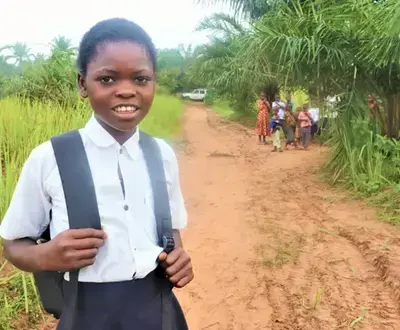
Unlocking girls' potential
When you sponsor a girl, you can help her access an education, develop a road to her future and learn about her rights. Your support helps girls to learn life skills, to have confidence in who they are and how to protect themselves. You can improve a girl's life chances and confidence when you support our education and child protection work.
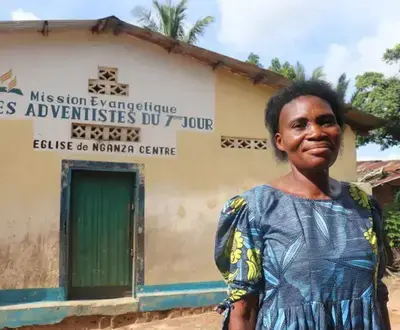
Working with faith leaders
As a Christian charity, we're well placed to work with faith leaders, who are usually very influential in their communities, to educate them about the dangers of FGM. We've seen many faith leaders of different religions becoming powerful, vocal child protection agents, advocating for change and using their influence to bring an end to FGM practices.
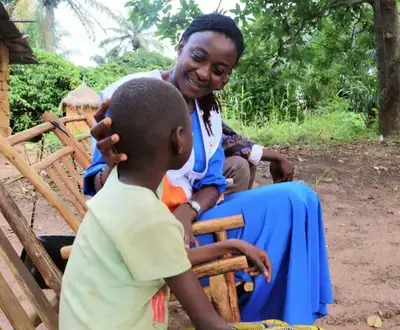
Helping to improve local services
We work with local social systems and organisations to amplify messages on gender equality and mobilise communities to improve the prevention and response services for cases of FGM, child marriage and other types of child abuse and exploitation. We also work with them to increase their community outreach and to enlist more 'local child protection ambassadors' within the community who look out for potential abuse cases and contact the organisations to help protect the vulnerable child.
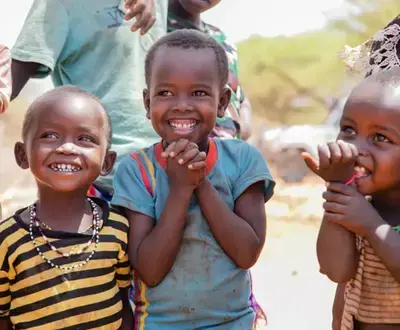
Engaging the local community
Trained facilitators, usually working in the local language, help communities to understand the adverse effects of FGM, find alternative positive practices and to become ambassadors for the anti-FGM movement. We arrange for different groups (men, youth, boys, girls, women and council of elders) to have separate discussions, to ensure that everyone's voice is heard. We then arrange intergenerational dialogues, so that open talks between parents and their children can begin, aiming for discussions and behaviour changes that lead to long term cultural changes in the community.
Tackling underlying issues
FGM is often tied to gender inequality and extreme poverty, and linked to child marriage. In some communities, when families experience emergencies, they may force their girls to get married in exchange for a dowry or because they believe it will make them safer. This can make girls vulnerable to FGM because, if it is the cultural norm, social pressures could mean the girls are forced to undergo it to ensure the marriage goes through. We're addressing this through Child Sponsorship by encouraging families to appreciate the value and potential of each girl, challenging gender norms as well as supporting livelihoods and nutrition projects that help boost household incomes.
Your sponsorship can help girls gain an education - and it has a ripple effect. The change lasts for generations.
Consequences of FGM
Leah, 14, lives in Kenya. She grew up in a culture that views FGM and child marriage as part of womanhood. She explains, "I used to think that FGM is something good because it is considered a major achievement for girls or women in our culture.”
Since taking part in World Vision’s mentorship programme, Leah learnt about the adverse effects of FGM, including severe bleeding, childbirth complications, increased risk of new-born deaths, spread of infections like HIV, and injury to the female genital organs.
Rescuing girls from harmful cultural practices like FGM
Leah was heartbroken to hear stories of women and girls who were forced into FGM and early marriage. Many of them dropped out of school, which has closed doors to jobs and other opportunities.
Now, she is teaching girls in her community to stand up for their rights. Leah makes time to gather children in her community to embrace education and fight against FGM. She is among the thousands of children and young people empowered to end violence against children after taking part in World Vision projects.
Support girls like Leah
Child Sponsorship supports the funding of child protection training - it helps children learn about their rights and safety. Can you help protect a girl like Leah by becoming a sponsor today?
Join our annual campaign to support girls
Girls face a multitude of challenges through no fault of their own - like FGM and child marriage. The UN marked 11th October as ‘International Day of the Girl’, to increase the awareness of gender equality and the adversities girls face as a result of humanitarian crisis or the cycle of poverty. While these issues exist all year round, this day marks the prevalence of these issues and provokes political conversations for action.
The International Day of the Girl aims to support young women to be who they want to be. With your help, we can help provide girls with a better education, protection from violence and put a stop to child marriage, FGM and gender inequality.
Meet girls whose lives have changed through Child Sponsorship
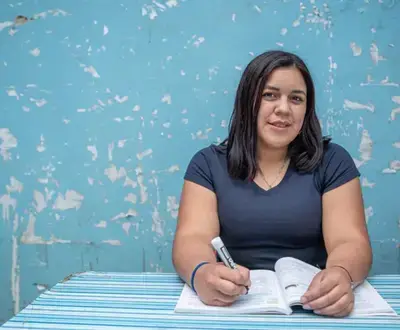
Dassari,15, Honduras
Dassari was 15 when she first received a letter from her sponsor. In a time when she was scared about her future, Dassari needed someone to believe in her. Writing letters to each other motivated Dassari to go to school and become a teacher just like her sponsor. World Vision supported Dassari to train as a teacher, and now she’s empowering other girls to stay in education. When you sponsor a girl, you are giving her hope and helping a whole community.
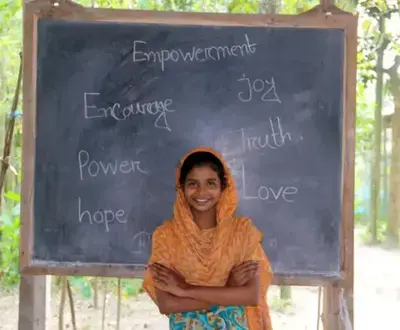
Tanzila, 12, Bangladesh
Thanks to World Vision's Child Sponsorship programme, Tanzila is not only able to continue her own education but also empowering other girls to receive an education. Realising that many parents like her own couldn't afford to hire tutors for their children, she volunteered to tutor them for free. In doing so, Tanzila is creating a brighter future for herself and making a positive impact in her community.
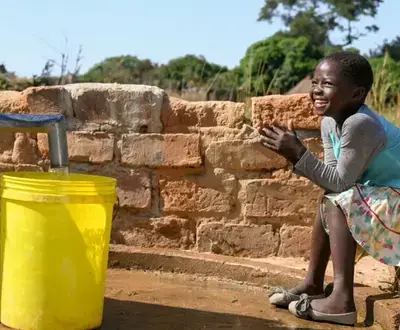
Vinet, 8, Zambia
Vinet had no choice but to walk miles to access clean and safe water. Fetching water at long distances can mean girls like Vinet get to school late or miss school entirely. But thanks to child sponsors, World Vision was able to install a hand pump right in front of Vinet’s house, and now Vinet can dream big. As a sponsored child, Vinet can now get an education and fulfil her God-given potential.
FAQs
How big of a problem is FGM?
At least 230 million girls and women alive today living in 31 countries have undergone FGM according to UNICEF data from 2024 - but the total number is unknown and many girls are still undergoing FGM today.
Where does FGM happen?
Most known instances of female genital mutilation happen in the Western, Eastern, and North-Eastern regions of Africa, and in some countries in the Middle East and Asia. There have also been cases of the children of migrants from these countries being subjected to the practices of FGM, sometimes being taken to those countries for the procedures to be carried out.
Does female genital mutilation happen in Ireland?
Female Genital Mutilation (FGM) is illegal in Ireland under the Criminal Justice (Female Genital Mutilation) Act 2012 and is recognised as a serious form of child abuse and gender-based violence. The law makes it an offence to perform FGM in Ireland, to take a girl abroad for FGM, or to assist in carrying out the practice.
Although FGM is illegal, it does occur in Ireland, mainly affecting women and girls from communities where the practice is traditionally carried out. As in many European countries, accurately measuring the prevalence of FGM in Ireland is difficult due to under-reporting and limited data collection.
However, research and estimates from organisations such as AkiDwA (Akina Dada wa Africa) suggest that thousands of women and girls living in Ireland have undergone FGM, either before arriving in the country or, in some cases, while resident here. Girls from FGM-practising communities are considered to be at increased risk, particularly during school holidays when they may be taken abroad for the procedure.
Under Irish law, anyone found guilty of performing FGM or facilitating it can face severe criminal penalties, including lengthy prison sentences. Professionals working with children also have safeguarding responsibilities to protect girls at risk of FGM.
Why are girls under threat?
Girls across the world face threats including child marriage, female genital mutilation and sexual violence.
Violence can take many forms; domestic abuse, trafficking, rape, or harmful practices such as early marriage and female genital mutilation/cutting.
Violence against girls crosses culture, ethnicity and economic status. We know that violence does not begin with a conflict or an emergency, but any existing levels of violence against women and girls do increase during these times.
Violence against girls and women has its roots in gender inequality and discrimination - and negative norms or practices that result from these.
How does World Vision fight for gender equality?
We help families to provide for themselves so that they don't feel the need to marry their daughters at a young age or send them out to work.
We fund the education of girls and help them reach their career goals. Many sponsored girls go on to become teachers, nurses and business owners.
We challenge social norms and harmful practices, working with faith leaders and communities to acknowledge and act upon gender injustices and negative practices.
We engage men and boys to make sure they recognise and act upon their obligation to prevent and end violence against girls and women.
We provide training about children's rights, how to better protect themselves, challenging existing gender imbalances and actively engaging with the wider community.
We work to fight period poverty, helping to ensure all girls have access to the sanitary products they need to live life as normal while on their period.
We protect girls in emergencies, creating Child-Friendly Spaces where girls and boys are protected from the risk of violence, have space to play and continue with their education.
We also work in refugee camps to promote gender equality and reduce the occurrence of violence towards refugee children.
We provide medical, legal and psychological support as well as life skills, vocational training and other support for girls affected by violence, including former girl soldiers.
How do I sponsor a girl?
You can easily sign up to sponsor a girl online or by calling our Supporter Care Team on 01 498 0800.
How does Child Sponsorship work?
World Vision has had a Child Sponsorship programme for more than 70 years. We pair donors with a vulnerable child who needs protection and empowerment.
Child Sponsorship brings much-needed change to more than just one child; the benefits you help provide extend to each child's family, their community and other children in need.
This is because World Vision partners, plans and works alongside local community members to help build healthy, sustainable communities for vulnerable children in the world’s hardest places. Learn more about how Child Sponsorship works.
How do you choose children that will be sponsored?
All of World Vision's work begins with listening to communities in need. Community leaders work with us to identify the most vulnerable children and families who will benefit from Child Sponsorship.
How do you choose communities to work in?
We work with national governments and other international agencies to identify the regions and communities that are most in need and where the most vulnerable children live. We then meet with community leaders and the wider community to gain a greater understanding of the challenges and the opportunities that exist for them and we develop a long-term plan together, to break the cycle of poverty.
About Child Sponsorship
About Child Sponsorship
Everything you may want to know. How it works, what to expect, the difference you can make.