

In Abatan, Benguet, helping on the family farm has always been part of growing up.
But when does helping become harm?
For many families, that line wasn’t clear until children’s education, safety, and futures began to suffer.
A global reality
Although many countries have legal frameworks against child labour, weak government enforcement and gaps in the existing legal frameworks, including having the minimum age for work below the compulsory education age, create opportunities for child labour to thrive.
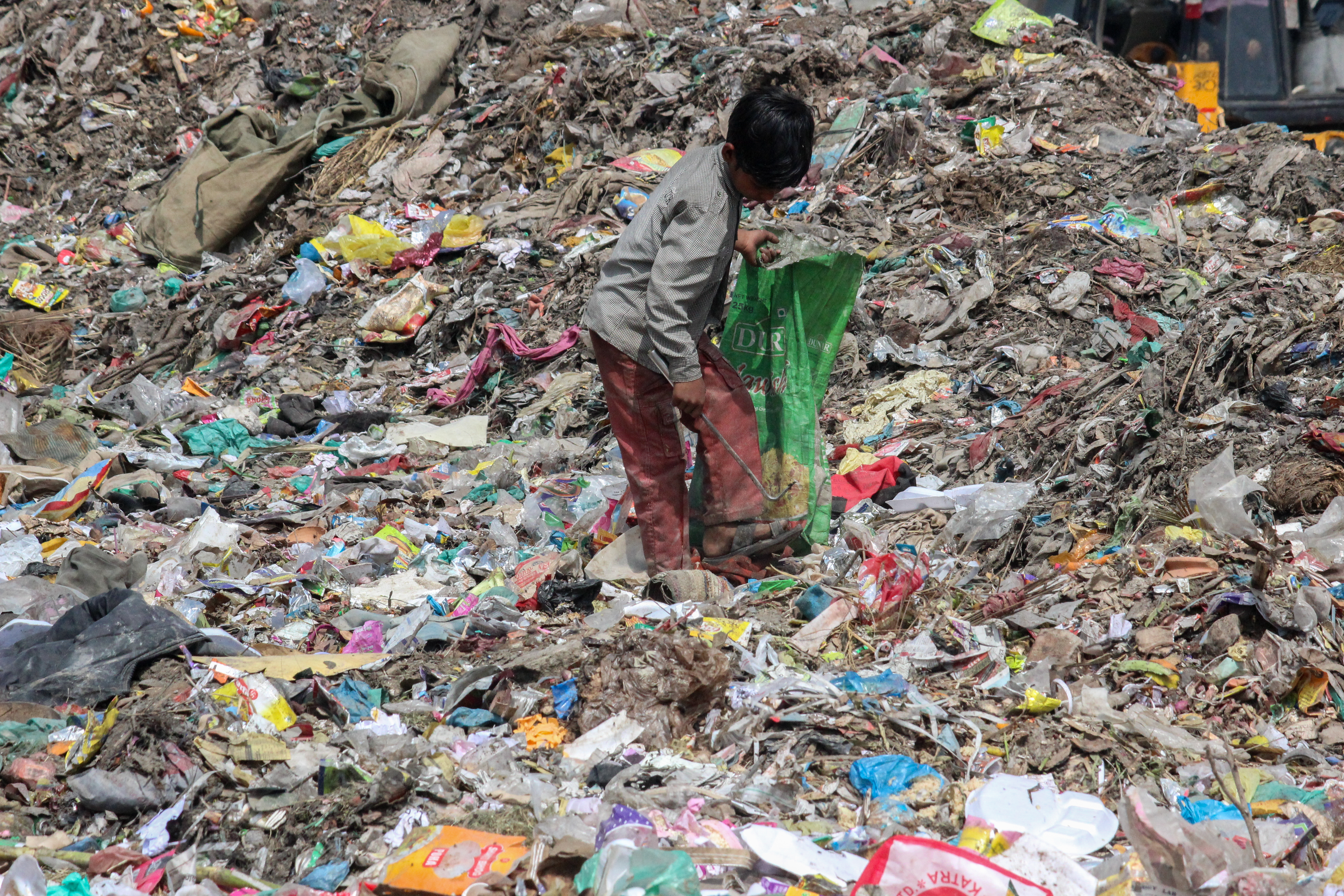
Around the world, 138 million children are trapped in child labour, and 54 million are doing dangerous work that threatens their health and development.
Most work in agriculture, while others face hazardous conditions in industries like mining.
Behind these numbers are tough realities: poverty, limited access to education, and systems that fail to protect children.
The situation in the Philippines
In 2024, an estimated 861,000 children in the Philippines were working.
Families facing economic hardship in the Philippines often have no choice but to rely on their children to help survive, sometimes in unsafe and exploitative conditions. Many simply don’t know that this work can harm their children or violate their rights.
World Vision’s response
Through the CLEAR CAR project,[1] World Vision and partners, with support from the European Union, are helping communities protect their children.
Together, they are:
- Raising awareness about what child labour really is
- Supporting families to earn safer, sustainable incomes
- Strengthening local child protection systems
- Empowering children to know and claim their rights
This work is helping to contribute to and move the Philippines closer to a future free from child labour.
Changing hearts and minds
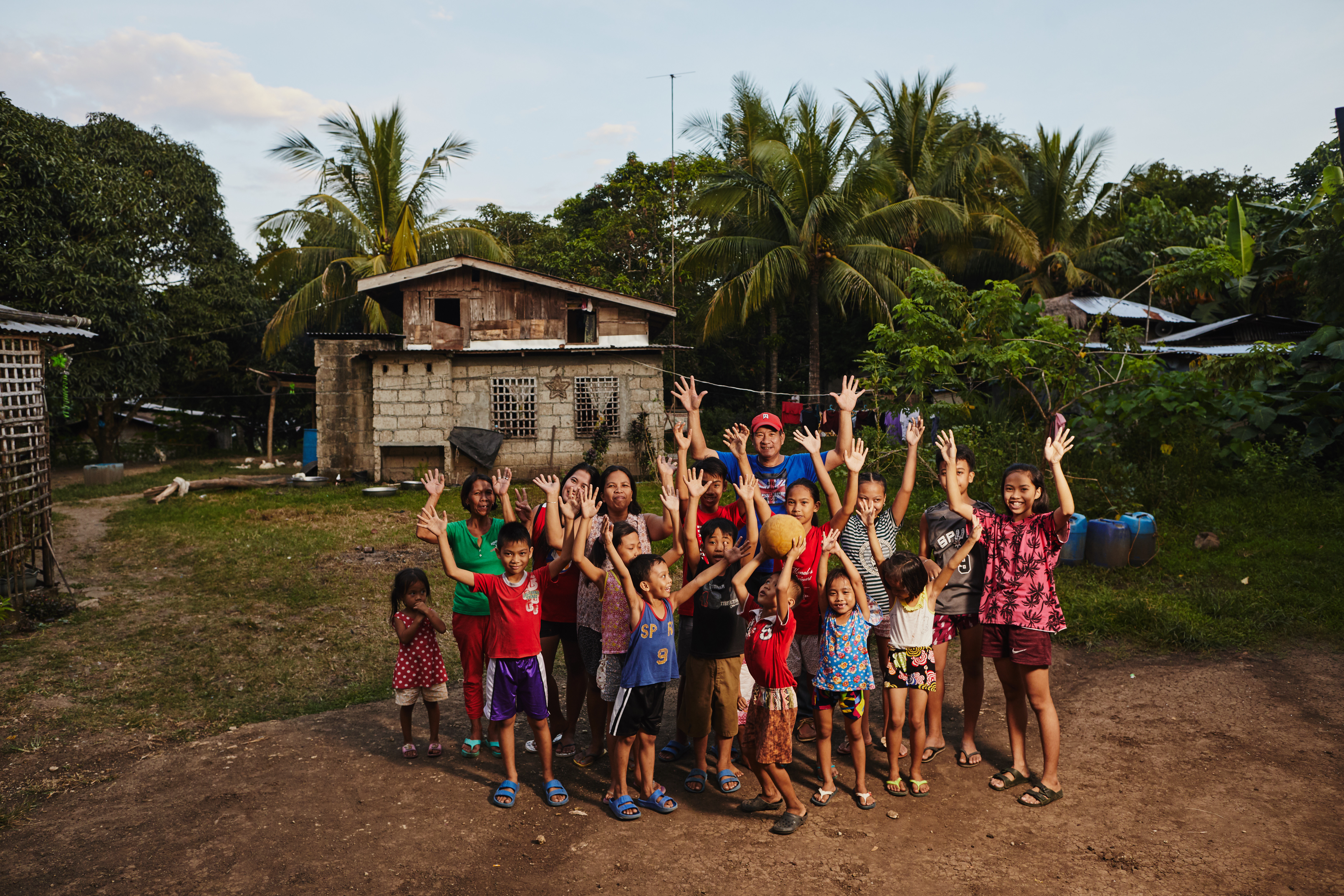
For James, a father in Abatan, everything changed after attending a community awareness-raising session on child labour. He realized that what once felt normal could be harmful.
His daughter, Jime, now understands her rights: “I learned that as children, we can still help our parents in ways that are appropriate for our age, like doing household chores, without neglecting our studies.”
Across the community, more families are choosing education over labour. Local leaders and Community Watch Groups[2] are working together to monitor risks and protect children. One community leader shared, “Little by little, families are recognizing the potential risks. They are beginning to support safer ways for their children to assist at home while also prioritizing their education.”
Change didn’t happen overnight, but it is happening. Although challenges persist, including the continued involvement of children during peak working hours, the project is gradually contributing to a shift in attitudes toward child labour. An increasing number of families now demonstrate greater awareness of safe child labour practices and are seeking guidance to safeguard their children from harmful labour.
Child labour doesn’t end with awareness alone. It takes collective action from communities, governments, and partners, grounded in child-centred realities and approaches.
Because every child deserves to learn, to play, to dream, and to grow up free from harm.
[1] The Child Labour Effective Awareness and Response in Cordillera Administrative Region (CLEAR CAR) project, implemented by World Vision and partner LPI, is co-funded by the European Union, World Vision Canada, and World Vision Ireland
[2] Formed by the CLEAR CAR project, CWGs are multi-stakeholder community- based groups composed of teachers, parents, youth, faith-based organizations, barangay officials, law enforcers, women’s groups, transport associations, and indigenous peoples’ leaders trained to prevent, detect, and respond to child protection issues - serving as educators and first responders to safeguard children from exploitation and abuse.